

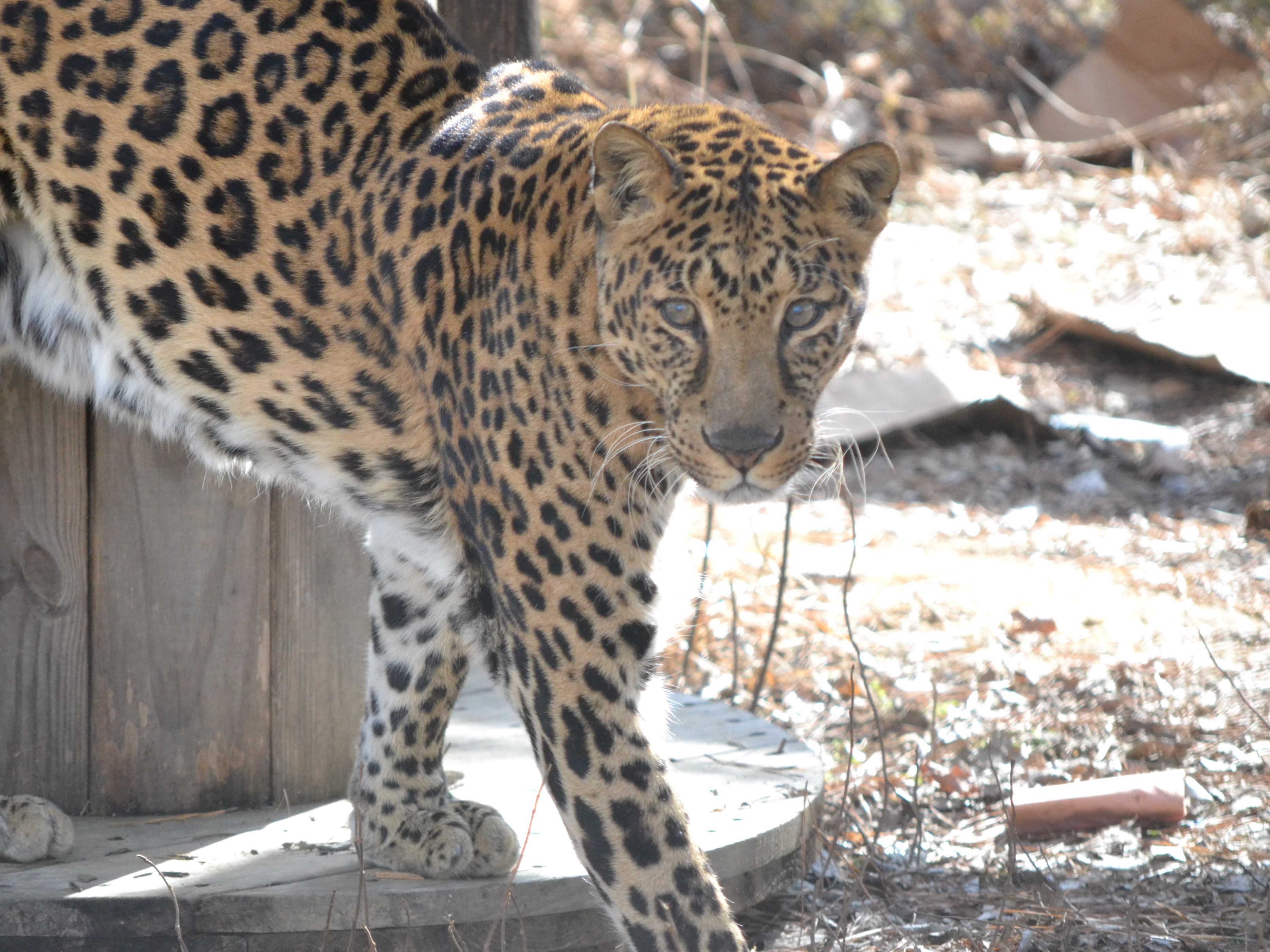



Cougars, also known as pumas, mountain lions, and panthers, are large carnivorous mammals that are native to the Americas. They are found in a variety of habitats, including forests, grasslands, and deserts, and are known to be highly adaptable and able to thrive in a variety of environments. Cougars are apex predators, meaning they are at the top of the food chain and have no natural predators.
Cougars are known for their powerful and graceful bodies, which are built for hunting and chasing prey. They have long legs, a large head, and a thick tail that helps them balance and maneuver through the trees and brush. Cougars are solitary animals and are generally most active at dawn and dusk, when they are most likely to be hunting. They are stealthy predators and are skilled at sneaking up on their prey, which can include anything from small mammals like rabbits and rodents to larger animals such as deer, elk, and even livestock.
One of the most notable characteristics of cougars is their size. Male cougars can grow to be over 2 meters long and can weigh up to 100 kilograms, while females are generally smaller, with a length of about 1.5 meters and a weight of around 70 kilograms. Cougars have a lifespan of around 8-13 years in the wild, and can live up to 20 years in captivity.
Despite their impressive size and predatory abilities, cougars are generally not aggressive towards humans and attacks on humans are rare. In fact, cougars are often shy and elusive animals that avoid human contact whenever possible. However, as with any wild animal, it is important to be cautious and to take precautions when traveling in areas where cougars are known to be present.
Cougars are facing a number of threats, including habitat loss and degradation, as well as poaching and conflict with humans. As a result, these animals are listed as a threatened species in many parts of their range. Conservation efforts are underway to protect and preserve cougars, including efforts to establish protected areas, educate the public about cougar behavior and safety, and promote coexistence between humans and cougars.


Beausoleil, or “Beau”, came to Carolina Tiger Rescue in January of 2019. Beau was wild-born in the state of Washington. He was seen in a family’s backyard a few times without his mother and when Wildlife Services came out, they trapped him and decided to relocate him to a sanctuary. In the state of Washington, any apex predator that is captured has to be relocated outside of the state within 24 hours or they are euthanized. Carolina Tiger Rescue was contacted by one of our sister sanctuaries, Wildcat Sanctuary in Minnesota, who has worked with the state of Washington before to re-home orphaned cougars. We coordinated with them to get Beau flown to Minnesota where he was picked up by a Wildcat Sanctuary volunteer and driven to Indianapolis. There, they met members of our team to bring Beau the rest of the way to his new home.
As Beau has continued to grow, so has his confidence. He has become a fan favorite on the tour path and he thinks that following small children is the most fun activity! Beau is still shy and takes a bit of time to warm up to new situations but with the help of operant conditioning, Beau has become less nervous and anxious. Beau loves enrichment and one of his favorite things to do is tear boxes into the smallest pieces possible! Beau is enjoying chasing the cars as they go by and has learned to take treats off a stick gently. He is a curious cougar who always wants to know what is going on, but is still timid with new things.

Nova came to us in October of 2024 from a roadside zoo in South Carolina that was unable to give her and the other animals at their zoo appropriate care. We fortunately had room and can provide her with the care and respect that a wild cougar deserves. She warmed up quickly upon arriving, seeming to love stinky enrichment such as pumpkins, and shredding boxes and cardboard. We quickly knew she would be a great addition to the tour path and that she was a very social cat that would likely enjoy frequent visitors. Since being on tour, she has come up to greet many tours and groups.
Nova is an older cougar, estimated to be about 12. She is also much smaller in stature than Beau, with very large almost cartoon eyes that make her easy to tell apart in pictures and in person. Nova is often seen walking around her enclosure, sleeping in the den box, or hiding behind a very small twig as she watches you with predator focus. We are very happy to be able to provide her with a forever home.

