

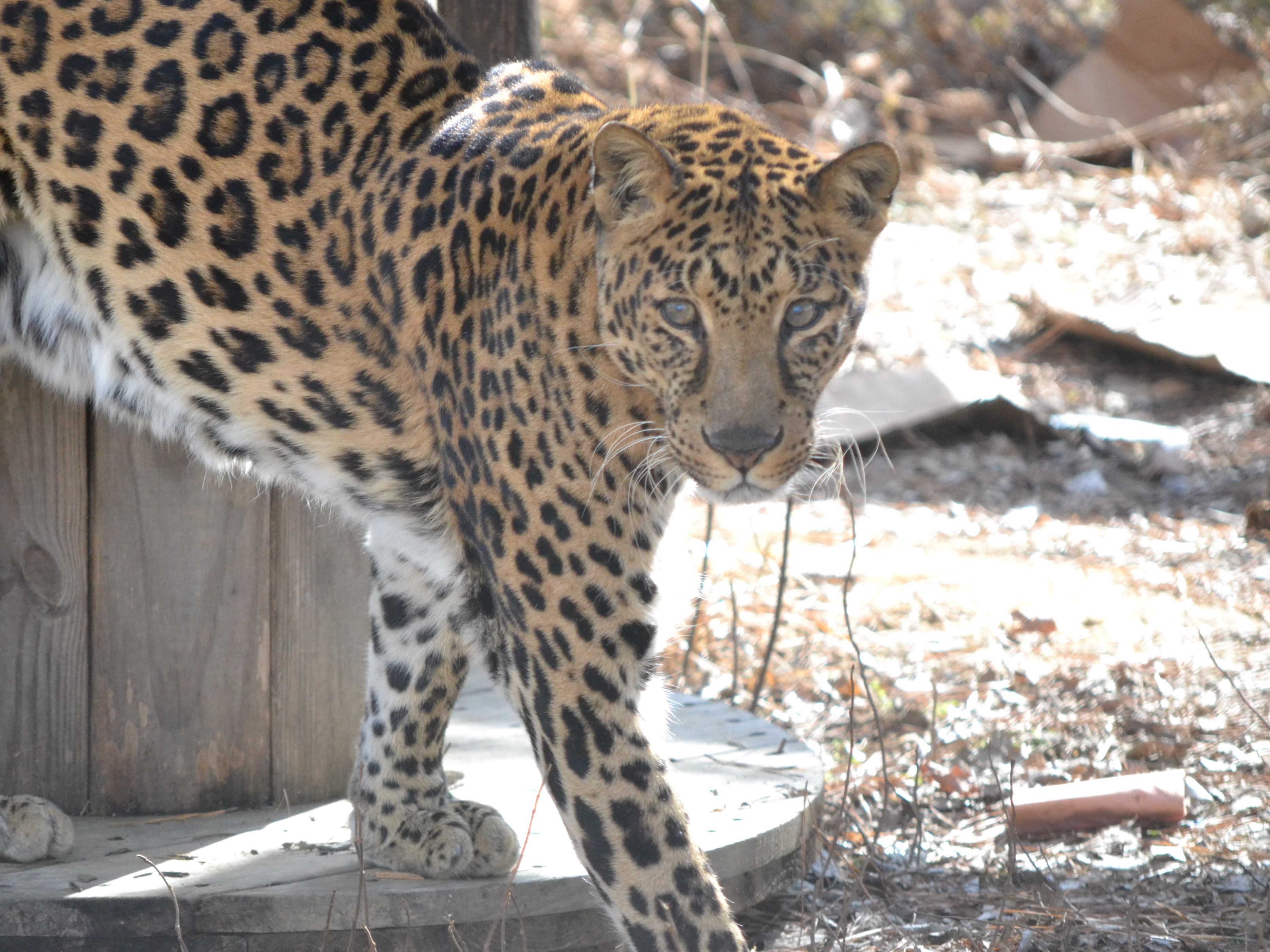



Servals are a remarkable and enchanting species of wild cat, known for their distinctive coat patterns, long legs, and striking appearance. Native to the African savannas, these feline creatures are captivating, but they’re not suitable as pets.
Scientifically known as Leptailurus serval, servals are medium-sized wild cats with a unique blend of characteristics that make them stand out. Their striking coat patterns, which resemble a combination of cheetah spots and tiger stripes, help them blend seamlessly into their natural African habitat. Their large ears, designed for exceptional hearing, give them a keen sense of detecting prey, even underground.
Why Servals Don’t Make Good Pets
Wild Instincts: Servals are wild animals with strong predatory instincts. Even when born in captivity, they retain their natural behaviors. This means they may exhibit hunting and territorial instincts that can pose dangers to humans and other pets.
Specialized Diet: Servals have a specific diet, primarily consisting of small mammals, birds, and insects. Maintaining their nutritional requirements can be expensive and challenging, as their dietary needs are difficult to replicate in a home environment.
Enclosure Requirements: Servals need a large, secure enclosure with ample space to roam, jump, and exercise. Maintaining such an enclosure is costly and labor-intensive, and inadequate housing can lead to stress and behavioral problems.
Legal Restrictions: In many places, it’s illegal to own a serval as a pet due to their potential danger to humans and the exotic pet trade regulations. Owning one may result in legal consequences.
Lack of Socialization: Servals are solitary creatures in the wild, and they do not naturally adapt to living with humans or other domesticated animals. They can become stressed or aggressive when forced into social situations.

The Small Cat Crisis
Carolina Tiger Rescue is a sanctuary dedicated to the welfare of big cats, including servals. We currently care for 18 servals, the most of any species at the sanctuary. The high number of servals in our care reflects the small cat crisis occurring in the United States.
The small cat crisis refers to the prevalence of servals and other small wild cats being kept as pets, bred for profit, or abandoned when their owners can no longer care for them. Carolina Tiger Rescue plays a crucial role in rescuing, rehabilitating, and providing lifetime care for these animals, ensuring they receive the necessary support they need to thrive and enjoy their natural behaviors.
While servals are undoubtedly captivating and beautiful creatures, it’s important to recognize that they don’t make good pets. Their wild instincts, specialized dietary needs, and enclosure requirements make them unsuitable for domestic life. Carolina Tiger Rescue’s dedicated work in caring for 18 servals is a testament to the small cat crisis in the United States. It serves as a reminder that servals and other small wild cats are best observed and appreciated in their natural habitat or within reputable sanctuaries, where they can live the dignified and secure lives they deserve.