

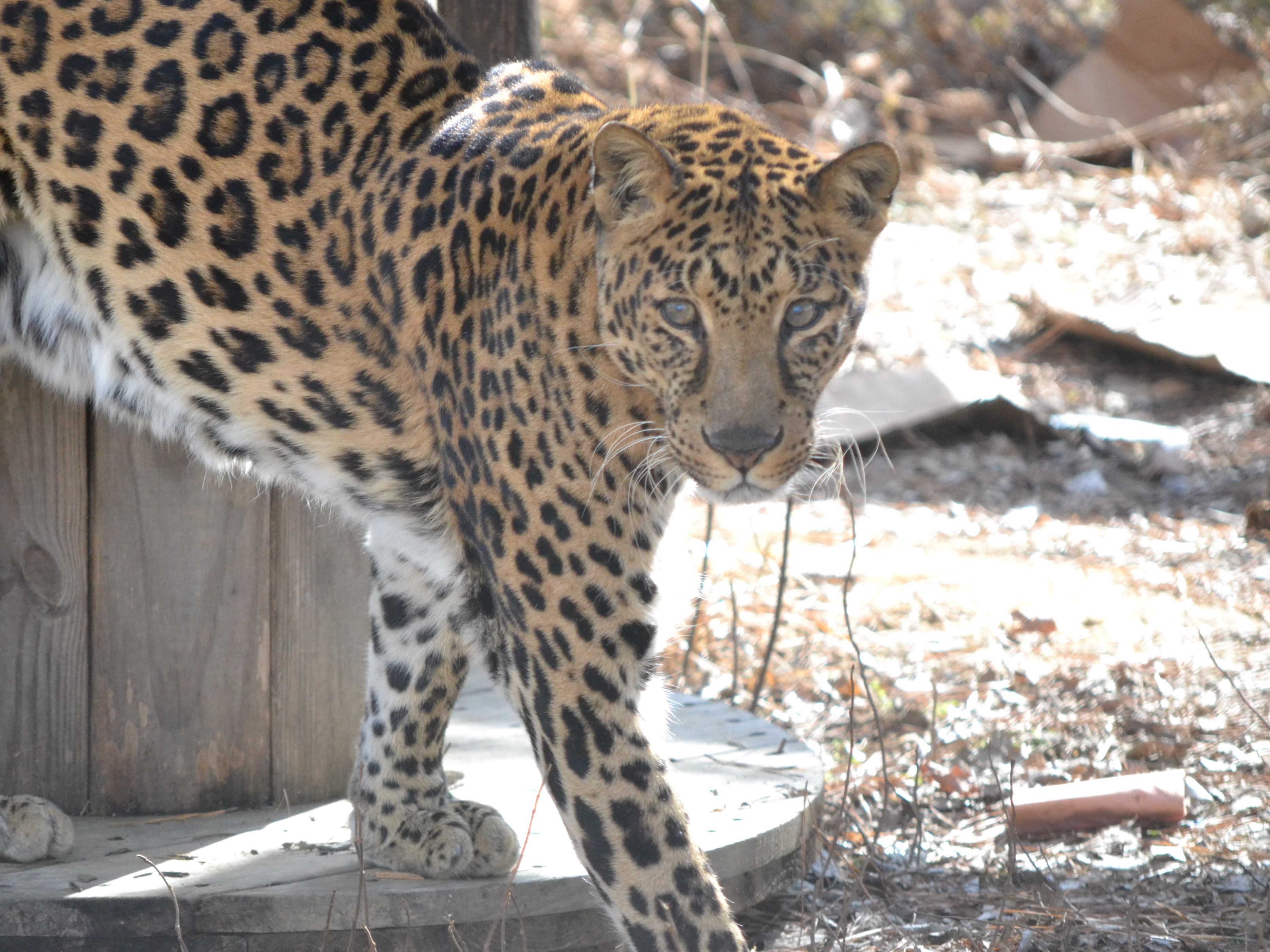



In the heart of the dense jungles of Asia, a small, spotted feline prowls silently, its presence barely noticed amidst the lush foliage. This enigmatic creature, the Asian leopard cat (Prionailurus bengalensis), embodies the untamed spirit of the wilderness, yet its allure has been exploited by humans for centuries, particularly in the dubious pursuit of creating hybrid Bengal cats.

A Glimpse into the Wild
In its natural habitat, ranging from the foothills of the Himalayas to the rainforests of Southeast Asia, the Asian leopard cat is a master of stealth and agility. With its distinctive rosette-patterned coat and slender frame, it blends seamlessly into its surroundings, making it a formidable predator in the ecosystem.
Feeding primarily on small mammals, birds, and reptiles, these cats play a crucial role in regulating local prey populations, thereby maintaining the delicate balance of their ecosystems. Their nocturnal habits and solitary nature add to the mystique surrounding these elusive creatures, making them a subject of fascination for wildlife enthusiasts and conservationists alike.
Exploitation in the Pet Trade
Sadly, the mystique of the Asian leopard cat has led to its exploitation in the pet trade, primarily driven by the demand for hybrid cats known as Bengals. Bengal cats are a crossbreed between Asian leopard cats and domestic cats, selectively bred to produce a striking resemblance to their wild ancestors while possessing the temperament of a domestic pet.
While Bengal cats have gained popularity for their exotic appearance and playful demeanor, their creation comes at a significant cost to the welfare of the Asian leopard cat population. Poaching and habitat loss threaten the survival of these wild cats, as individuals are captured from their natural habitats to supply the demand for breeding stock in the exotic pet industry.
The Ethical Implications
The practice of breeding hybrid cats for commercial gain raises serious ethical concerns and highlights the inherent exploitation of wild animals for human entertainment. Asian leopard cats, adapted to life in the wild, are ill-suited to captivity, where they often suffer from stress, behavioral issues, and inadequate living conditions.
Furthermore, the demand for hybrid cats perpetuates a cycle of exploitation that perpetuates the illegal wildlife trade and threatens the conservation of endangered species. By furthering the misconception that wild animals can be domesticated and kept as pets, we undermine efforts to protect their natural habitats and preserve biodiversity for future generations.
A Call to Action
As stewards of the planet, it is our responsibility to respect the intrinsic value of wild animals and protect them from exploitation for commercial gain. Instead of seeking novelty through the possession of exotic pets, we should celebrate the beauty of wildlife in its natural habitat and support conservation efforts aimed at preserving their homes.
By advocating for responsible pet ownership, supporting reputable conservation organizations, and promoting awareness of the plight of endangered species like the Asian leopard cat, we can work together to ensure a brighter future for all creatures that call our planet home.
Our Rescued ALCs
In early fall of 2023, we traveled to Cedarhill Animal Sanctuary (BCSA Member) to pick up three rescued Asian leopard cats. While under investigation for the improper care of wild cats, a breeder in Texas passed away, leaving 24 Asian leopard cats and over 20 Bengal cat hybrids needing immediate rescue. This is, of course, not the type of situation that any animal should be found in, let alone a wild cat, so we were thrilled to be able to offer them a new and safe home.
Ginger, Clove, and Pepper (aptly named after spices) did great during transport back to Pittsboro and are currently living in a special space suited to their size and needs. They will eventually live off of the tour path near Beau Cougar, and will continue to live together unless an issue arises that requires us to separate them.
